Singing Dragon Bodywork Catalogue 2013

Click on the box below to browse through our online Bodywork catalogue. Including titles on massage, reflexology, shiatsu, cranio-sacral therapy, yoga, and aromatherapy, this is an indispensable resource for anyone who cares for the human body.

All the titles, author names, and covers are interactive; just click on them to be taken to the book or author page on the Singing Dragon website.

How to breathe more easily with COPD

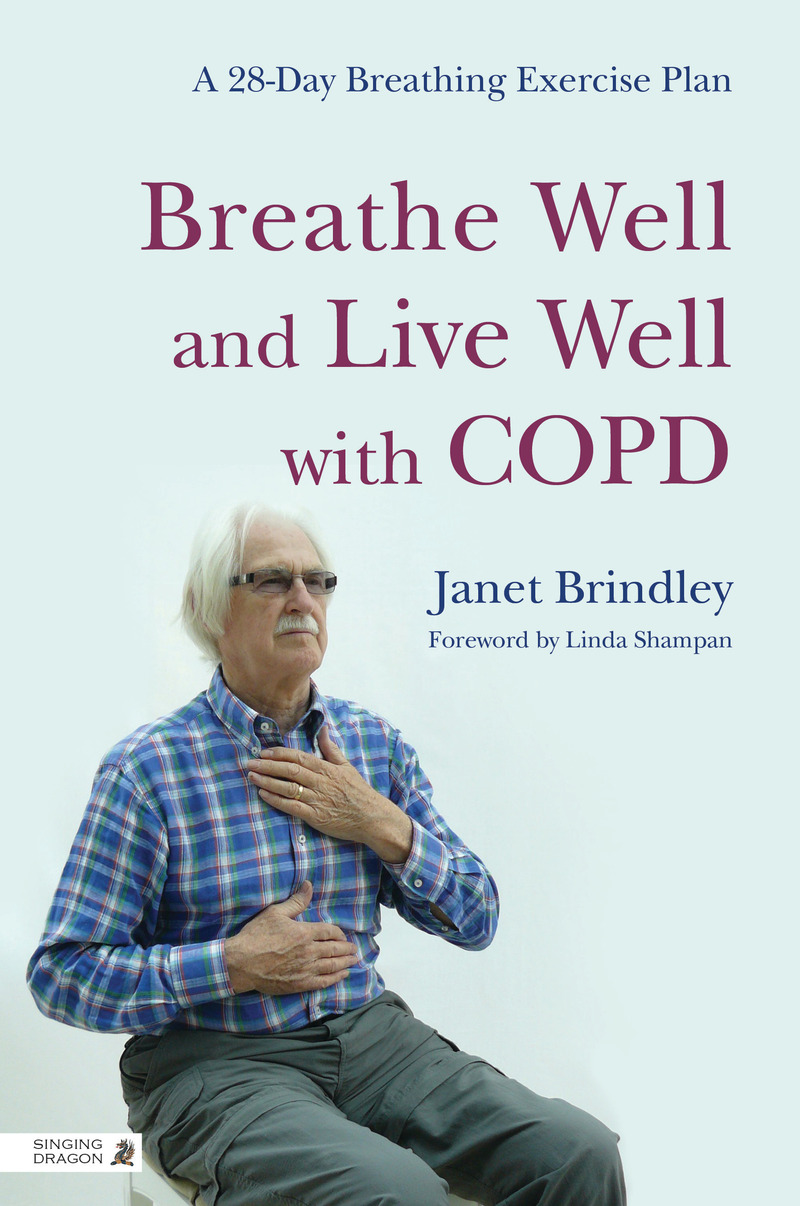
Brindley_Breathe-Well-an_978-1-84819-164-8_colourjpg-webAn exercise taken from Janet Brindley’s Breathe Well and Live Well with COPD to help easy relaxed breathing using a check list of  problems to look out for.

Click here to read the extract

Janet Brindley came across therapeutic breathing exercises in 1998. They dramatically improved her asthma, and that of her fourteen-year-old son. She then left her job as a hospital biochemist and taught yoga and Buteyko breathing techniques. She has since worked with doctors, physiotherapists and nurses to develop a professional training course. This training course was used as part of an MSc Respiratory Physiotherapy module at Coventry University. She lives near London, UK.

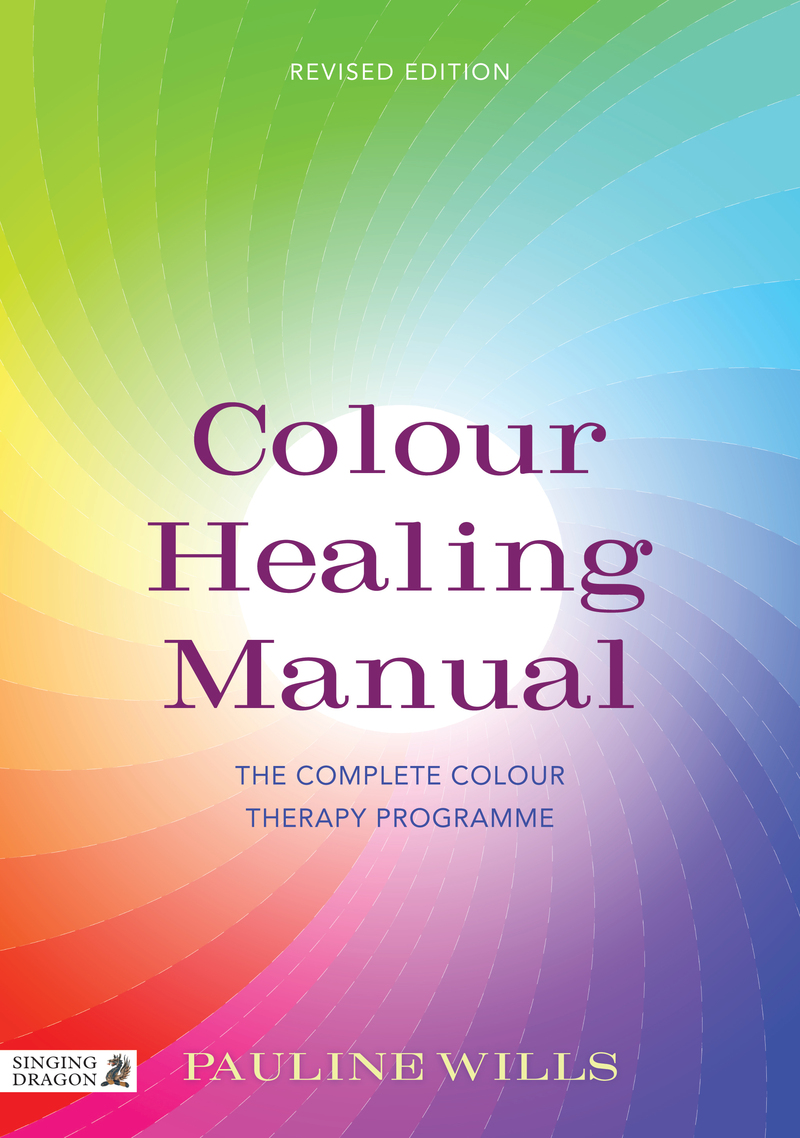
Early therapeutic uses of light and colour – extract from Colour Healing Manual

Wills_Colour-Healing_978-1-84819-165-5_colourjpg-web

Taken from Pauline Wills’ Colour Healing Manual, in this extract the author discusses how colour, light and healing have traditionally been linked across a range of ancient civilizations – and what these can mean for today’s uses of colour therapy.

Click here to read the extract

Pauline Wills is a qualified yoga instructor, reflexologist and colour practitioner and pioneered the integration of colour with reflexology. Her first introduction to the healing power of colour was through yoga and then through the Maitreya School of Colour Healing. She is the co-founder of The Oracle School of Colour in London, where she teaches and practises colour therapy and reflexology. She has written numerous books on complementary therapies.

© 2013 Singing Dragon blog. All Rights Reserved

A quick exercise that will work wonders on your jaw

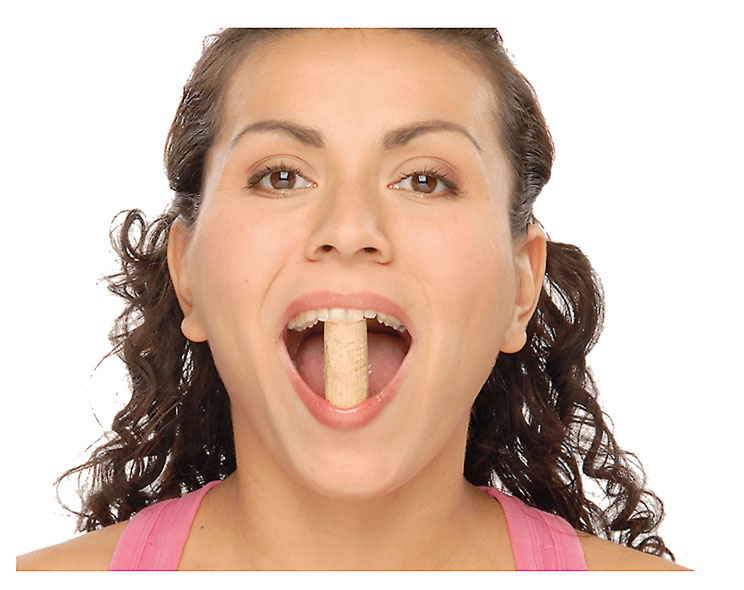
Vital-face---p84---imageCombination exercise to strengthen buccinator and risorius muscles

Place a cork or something of a similar suitable size between your teeth to keep your lower jaw down. Hold the position and simultaneously pull the corners of mouth straight sideways.
Repeat 10 times. Close your mouth and rest for a few seconds. Place the cork again and repeat another 10 times.

IMPACT ON APPEARANCE: Tones the lower cheek.
IMPACT ON HEALTH: Relaxes and lengthens jaw-closing chewing muscles.

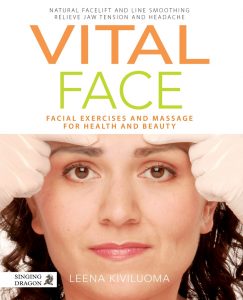
Vital Face by Leena Kiviluoma has a whole programme of facial exercises and massage for health and beauty (some with corks and some without!) find out more here.


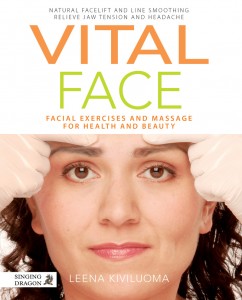
Vital Face
Facial Exercises and Massage for Health and Beauty

Leena Kiviluoma

This is a fully-illustrated guide to stretching and massage techniques to relax the facial, neck and shoulder muscles. The exercises address health issues such as teeth clenching and grinding, pain in the face, jaw, head or neck, and can improve the effects of Bell’s Palsy. They also help reduce facial lines and leave the skin healthy and glowing.

Click here to buy the book


 PRECAUTIONS:
– Perform all the stretches slowly and gently
– Concentrate on the stretch
– Stretch the chewing muscles carefully to a point of mild discomfort and hold the stretch for a while. The discomfort should begin to fade during the stretch, when the stretch gradually relieves tension and loosens your chewing muscles.
– Keep the muscles you are stretching relaxed. Breathing deliberately during the stretching helps you relax and control the stretches. Enjoy the relaxing feeling of stretches.
– If a stretch feels too uncomfortable and tenses your muscles, decrease the force or the range of movement or both.
– The feeling of the stretch should not be painful. It should not produce pain in the muscles or in the joints. Distinguish the feeling of a healthy muscle stretch from the sensation of pain.
– Hold each stretch for the recommended time and repeat each stretch the recommended number of times. You can increase the duration of a stretch as well as the number of repetitions if you like and as long as it feels comfortable.
– Application of moist heat or cold is sometimes a helpful relaxing procedure before the stretching of the chewing muscles.
Caution: Never perform sudden and forceful movements during stretching or try to force your jaw beyond its physiological limits. Those with a history of a jaw dislocation must be careful not to perform jaw movements that are too wide.

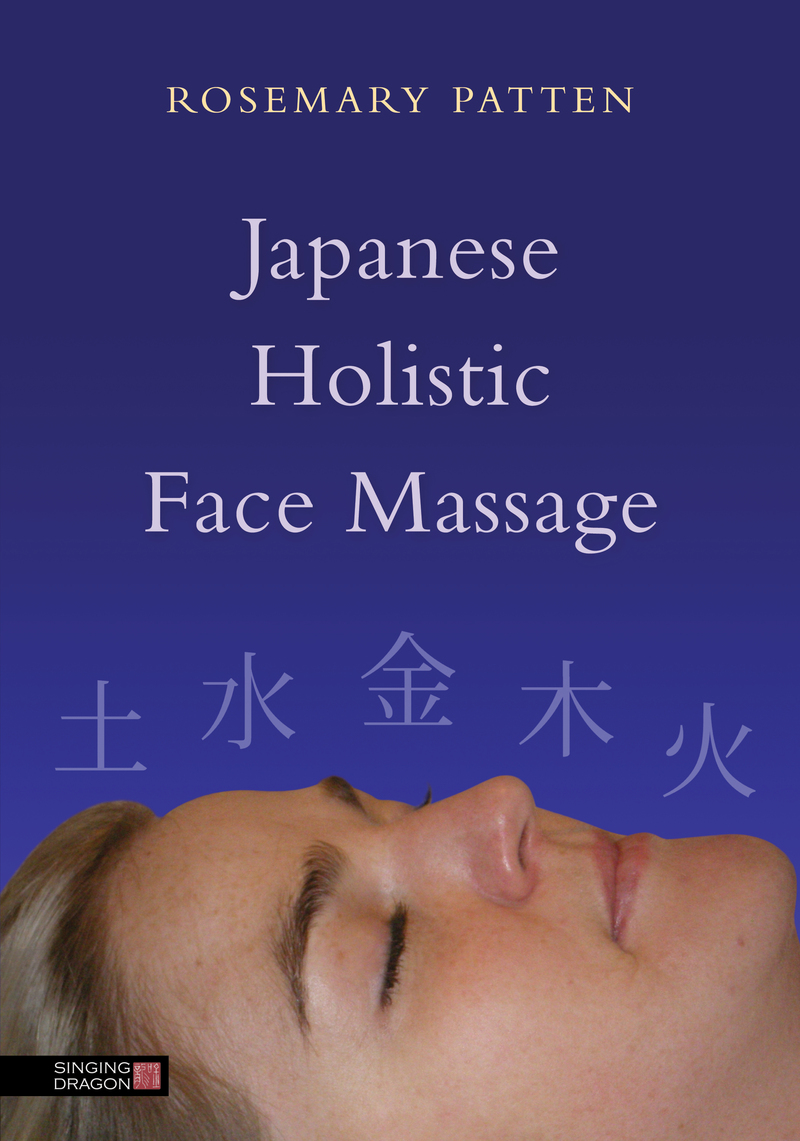
Japanese Holistic Face Massage – More than a facial, by Rosemary Patten

Patten, RosemaryThe face reflects who we are, reflects our personality, state of health and our spiritual balance. We pick up a lot of information about a person just by looking at their face. To the ancient Japanese and Chinese, a beautiful face was the ultimate prize as it was a reflection of optimum health and of course with good health comes a long life. Longevity achieved through preventing ill health was, and still is, the aim of traditional Chinese medicine.

Japanese face massage became popular in the Far East during the eighteenth and nineteenth centuries, especially among the Geisha, for its health-giving benefits and its ability to reflect inner calm on their porcelain-like faces. Not much was known of this unique massage in the West until after the Second World War but today it is practised all over the world.

Many facial routines focus on cleansing and may include a basic massage designed to relax the recipient. The Japanese face massage is much more than a massage or facial. From the very beginning of the routine, the recipient experiences a glorious sense of release within the first two movements as the flowing but firm touch sets the scene for an experience of peaceful tranquillity and healing. There is a feeling of liberation as the neck and shoulders are massaged, lifting tension and allowing calm to descend. These opening movements pave the way for the deep healing experience you get from the Japanese face massage.

Unlike basic facial routines, the techniques in Japanese face massage focus deeper to achieve more than a cleanse, tone and moisturise. Acupressure points around the face and head are gently manipulated and the meridians are traced to access the body’s bio-energetic flow to bring balance.

Patten_Japanese-Holist_978-1-84819-122-8_colourjpg-webThe massage pushes oxygenated blood and nutrients to penetrate the deep layers of the skin to nourish and renew cells. The gentle flowing effleurage movements are not only relaxing but also encourage the release of cellular matter and the removal of de-oxygenated blood via the lymphatic system. The effect is instantly visible as circulation to the face is improved, bringing a lustre to the skin which manifests as an inner glow of calm and vitality. Fine lines are diminished and the contours of the face become more defined, especially noticeable around the eye area.

All bio-energy pathways or meridians either start or finish in the face. As the acupressure points are accessed there is a deep sense of comfort and nurturing. Additionally, the sequence of the movements and the tracing of the pathways or meridians encourages Ki (universal life force energy) to flow where it is most needed. Ki energy is responsible for correctly functioning bodily fluids and the smooth running of body organs such as the kidneys and the liver.

There has been a myriad of research on the effects of stimulating the acupressure points over the past fifty years as Western scientists slowly realise what Eastern medicine has known for over 4,000 years. Acupressure points on the face react instantly to touch, releasing endorphins and bypassing the central nervous system due to the close proximity to the brain. There is a prevailing sense of well-being when the hormones are stimulated. The autonomic nervous system is calmed and peace descends as healing on all levels takes place. The Japanese face massage is truly holistic as it not only improves the appearance of the face but also helps the body function better. A truly wonderful combination of benefits that leaves the recipient feeling mentally and emotionally revived.


Rosemary Patten is a naturally gifted holistic therapist with over 23 years’ experience in helping people feel better. She began her professional career within the NHS, in hospital settings, where her extensive contact with those in rehabilitation gave her an invaluable grounding in understanding the nature of disease. A master Reiki practitioner, aromatherapist, reflexologist, qualified beautician and in many other holistic therapies, Rosemary founded Rose Health and Well Being Natural Health Centre, which has now evolved into Equinox Rose. This is a combined holistic services consultancy delivering various natural therapy workshops, consultations on business development for therapists and a clinic specialising in energetic healing. Japanese Holistic Face Massage is among the range of therapies Rosemary uses to help her many clients make a breakthrough physically or emotionally. Rosemary believes passionately in a holistic approach to diagnosing root causes of illness, especially the impact of stagnant energetic flow within and around the body. She lives in Kent, UK.


© 2013 Singing Dragon blog. All Rights Reserved


Relieve tension headaches with these facial massage techniques – extract from Vital Face by Leena Kiviluoma

Kiviluoma_Vital-Face-Faci_978-1-84819-166-2_colourjpg-webTaken from Vital Face, this selection of quick and easy exercises designed for the forehead will enable you to remove stiffness, eliminate tension headaches, and smooth out facial lines.

Click here to read the extract.

Feel the difference? Read the book for more exercises to relax and rejuvenate the whole face, head and neck.

‘Leena Kiviluoma has done trailblazing work in developing her ingenious, easy-to-use facial muscle care technique. I use her book when I teach anatomy, physiology and skin care to trainee beauty care professionals. With the help of this book clients of beauty therapists can also practice effective self-applied beauty routines at home which will help to maintain a youthful appearance.’

 -Anna-Liisa Halsas-Lehto, Master of Health Science, Vocational Teacher, Beauty Therapist

‘I tried this programme developed by Leena Kiviluoma. Both the relaxedness and the capacity of my jaw increased noticeably.’

-Fitness and Health Magazine, Finnish edition

Leena Kiviluoma is a physiotherapist working as a teacher and consultant in the fitness, beauty, health and rehabilitation industries. Her clients have included the Finnish National Opera, the Finnish National Theatre, The Parliament of Finland and many other companies, and she has contributed to numerous articles on fitness and beauty in magazines and newspapers. She began to develop her medical-based, facial muscle care technique and therapy in 1990 and her two books on the subject have been translated into many languages. She lives in Helsinki, Finland.

© 2013 Singing Dragon blog. All Rights Reserved

Singing Dragon Complete Catalogue – Spring/Summer 2013

Featuring all of our titles, including books on Chinese medicine, qigong, martial arts and complementary therapies, the Singing Dragon catalogue has something for everyone. Feel free to browse, share and email the catalogue to anyone you think might be interested. Click on the catalogue to view full-screen. You can find out more information and order the books by clicking on the titles.

If you would like any physical copies of the catalogue please send an email to post@intl.singingdragon.com

The Development of Kinesiology – extract from Principles of Kinesiology by Maggie La Tourelle with Anthea Courtenay

La-Tourelle_Principles-of-K_978-1-84819-149-5_colourjpg-webIn this extract, the authors describe the early development of Kinesiology, and the unexpected discoveries which informed the basis of many branches of the practice. They also look at how Kinesiology fits within the idea of truly holistic medicine, showing how it can bring change and restore balance in people’s lives.

Click here to read the extract

Praise for the first edition of Principles of Kinesiology:

“A well-crafted book, ideal for newcomers to the subject, whether lay or professional…an accurate and balanced guide to this fast-growing area of healing.”

– Leon Chaitow ND, DO, MRO, naturopath, osteopath and acupuncturist, and Editor-in-Chief of the Journal of Bodywork and Movement Therapies

“A much-needed book…to get help with your pain, stress and improve your performance with energy balance and muscle facilitation.”

– John F. Thie DC, founder and author of Touch for Health

Maggie La Tourelle has worked in the field of holistic healthcare for thirty years as a practitioner, teacher and writer integrating kinesiology, counselling, psychotherapy and NLP. She is an honorary member of The Kinesiology Federation, and a member of The Association for Therapeutic Healers, The British Association for Counselling and Psychotherapy, The Scientific and Medical Network and the Guild of Health Writers. She lives in London, UK.

Anthea Courtenay is a freelance writer, journalist and translator based in London.

First steps in promoting hair regrowth, for anyone affected by Alopecia and other hair-loss problems – with Vera Peiffer

Vera PeifferWhen your hair is falling out, you are not just having a problem with your hair, but also something else in your body, no matter whether you have other symptoms or not. As I’m explaining in my book Regrowing Hair Naturally, there is a reason why your hair is falling out. This reason is some form of toxicity.


Water and hair loss

Toxicity in your body makes your body too acidic. While some acidity is very important for body processes to function correctly, over-acidity is a problem and can lead to hair loss. If you then also don’t drink any water during the day, the acidity stays in the body undiluted and this is where damage occurs.

If you are worried about your hair at the moment, it would obviously be important to find out which toxins are causing acidity in your body, but even if you don’t want to do this, at the very least start drinking good quality water. Increase your water intake every few days from 1 glass a day to 8 large glasses a day (approximately 2 litres a day). This helps dilute the acid in your body, no matter what has been causing the acid in the first place.
Drinking water is the first phase of detoxing. The second phase would be to take particular supplements (these are different for each person) which bind with the toxins and then take them safely out of the body. A hair sample test can establish exactly which supplements your body needs to carry out this conjugation phase of detox.

When you drink water, make sure the water is good quality. Filter it with a charcoal filter (Brita or similar) or have a water filter installed under your sink. If your water supply is fluoridised, I would suggest to drink bottled water as fluoride is not a great substance to have in your body. Don’t drink unfiltered tap water, no matter what your water company tells you. Chlorine in water needs to be filtered out, and your charcoal filter will do that for you.

Wheat and hair loss

Over 80% of my clients who have my hair/nail sample tests done have a problem with wheat. Some of them have a problem with all grains (rye, barley, oats etc).

Have a think about what you are eating for a typical breakfast, lunch and dinner. If your diet consists of muesli, sandwiches, pizza and pasta, this will have a major negative impact on your hair, even if you don’t have a wheat intolerance. What you need to eat is a little meat, plenty of vegetables and some carbs such as rice or potatoes. I know that this is inconvenient, especially for breakfast, but you are actually better off with bacon and eggs or an omlette for breakfast than with a muesli if you want to help your hair.

Foods you need to avoid are bread, pasta, pizza, biscuits, cakes, pasties and anything else that is made from wheat or gluten-free wheat. It is not enough if you change to gluten-free wheat as many people are not just intolerant to the gluten in the wheat but also to the rest of the grain.

Frequently Asked Questions: 

Water: 

Can’t I have juice instead of water?

Juice has a lot of sugar in it which makes the body acidic, and too much acidity is bad for your hair. Drinking juice also dehydrates you. There is really no replacement for water.

I find it hard to drink water. If I do, I have to run to the loo too often

Start with drinking sips of water throughout the day. If you need to pee a lot it means that you are completely dehydrated and / or that you are drinking too much too quickly.

Wheat: 

I find it very hard not to eat pasta, bread and cakes. Do I really have to give them up for my hair to grow better?

I know it’s hard to give up wheat. Wheat is actually quite addictive, but if you want your hair back, you will need to at least drastically reduce your wheat intake. Wheat and other grains can actually stop the body from detoxing because they produce mucus in the body.

Is it OK to have glutenfree bread instead of normal bread?

Yes, gluten free is much better, but even that type of bread does not contain the nutrients your hair needs to grow, so make sure you have proteins and vegetables most of the time.

 For more tips on hair regrowth, visit Vera Peiffer’s website: http://www.hairgrowthuk.co.uk/blog/ and read Regrowing Hair Naturally


More from Vera Peiffer
Principles of Hypnotherapy
What it is, how it works, and what it can do for you 

Vera Peiffer

This is an authoritative introduction to hypnotherapy explaining what it is, how it works, what its origins are, what to expect when being treated and how to find a reputable hypnotherapist. It also clarifies how hypnotherapy can help with mental and emotional trauma, anxiety, depression, phobias, confidence problems and unwanted habits.

Click here to buy the book

© 2013 Singing Dragon blog. All Rights Reserved.
Request a copy of the UK Singing Dragon Complete Catalogue

Cover of the Singing Dragon UK Complete CatalogueMake sure not to miss Singing Dragon’s latest UK Complete Catalogue. If you have not yet received a copy, please sign up for our mailing list and we’ll send a free one out to you ASAP.

Readers in the UK and Europe who request a copy of the catalogue before February 15th, 2013 will also receive a voucher for a 15% discount on the entire Singing Dragon list of books, with free postage and packing.

Take advantage of this opportunity to find new, forthcoming and classic books on Chinese Medicine, Holistic Health, Taiji, Qigong, Herbal Medicine, Yoga, Spirituality and more. Also, sample health-promoting recipes with The Functional Nutrition Cookbook, and Make Yourself Better with Philip Weeks’ books. Delve into the history of Ayurvedic Medicine and the Mudras of India, and discover the Five Levels of Taijiquan, Daoist Nei Gong and Chinese Medical Qigong.

To request your copy of our Complete Catalogue, please click here. To receive your 15% discount voucher, please be sure to click the checkbox for “Singing Dragon” under area of interest or else mention this offer in the “any further comments” section.

If you have previously received a copy of the catalogue, and would like to take advantage of the 15% discount, please feel free to request a voucher via email at post@intl.singingdragon.com.